Solar energy has become an important option for businesses looking to manage electricity expenses and improve energy efficiency. However, as a solar power plant ages, certain components may lose performance, require frequent repairs, or become difficult to maintain. In these situations, replacing outdated equipment or upgrading the existing system can be worth considering.
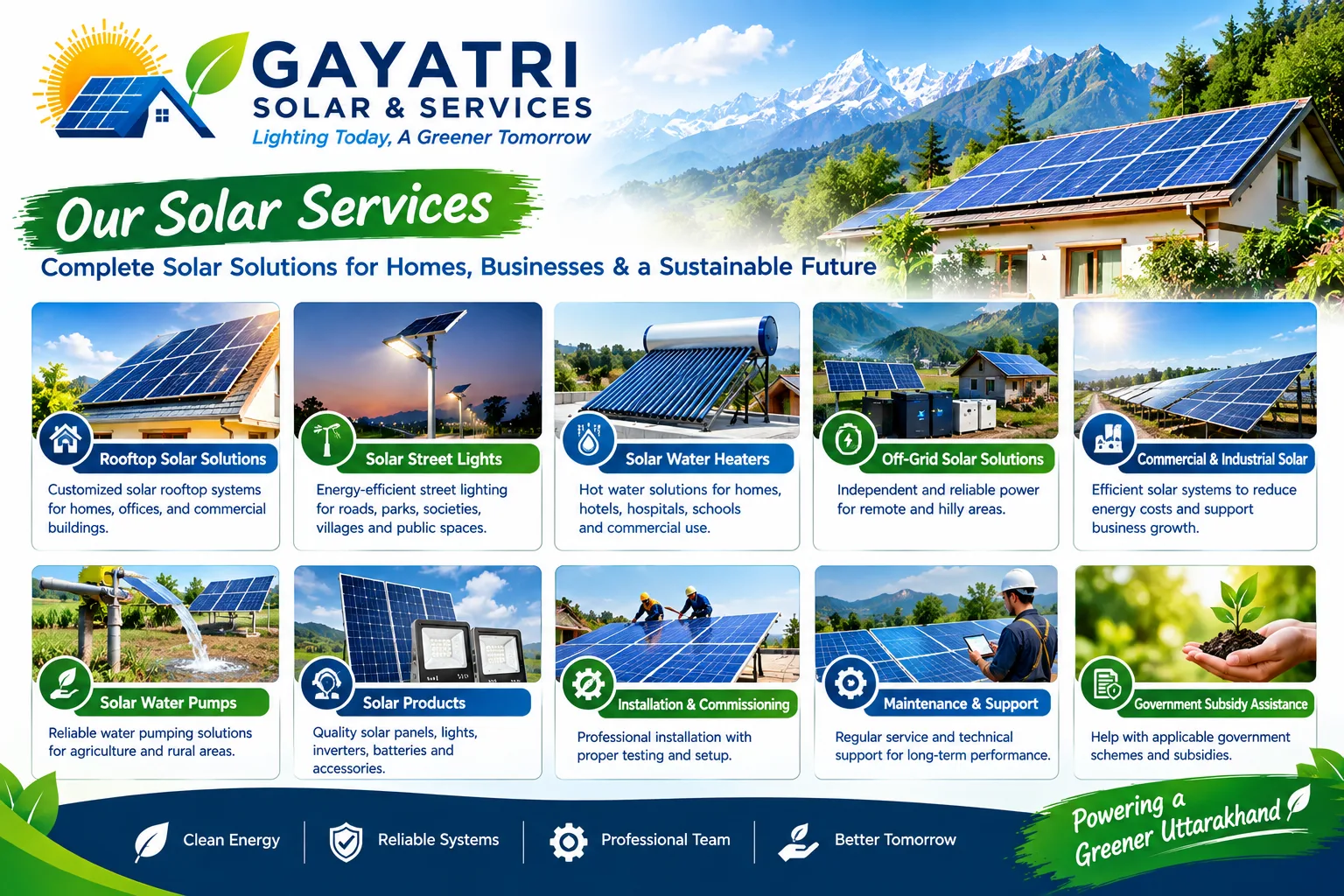
Gayatri Solar and Services offers solar energy solutions designed for commercial and industrial requirements. Understanding when a solar power plant needs replacement can help business owners make informed decisions about their energy infrastructure.
What Is Commercial Solar Power Plant Replacement?
Commercial solar power plant replacement involves replacing outdated, damaged, or underperforming components of an existing solar installation. Depending on the system's condition, this may include solar panels, inverters, wiring, protection equipment, or mounting structures.
In some cases, only a few components need replacement. In others, a more extensive upgrade may be appropriate. A technical assessment helps determine whether repairing the current installation, replacing selected components, or redesigning the entire system is the most practical option.
Businesses considering a Commercial Solar Power Plant Replacement should evaluate their current system performance, maintenance history, energy requirements, and future operating plans before making a decision.
Signs Your Commercial Solar Plant May Need an Upgrade
Recognising performance problems early can help businesses avoid unnecessary downtime and repair expenses.
1. Declining Energy Production
If a solar plant consistently produces less electricity than expected, it may require inspection. Dust, shading, damaged panels, inverter faults, and ageing components can affect performance. Comparing actual production with historical data can help identify the cause.
2. Frequent Equipment Failures
Repeated inverter faults, damaged electrical connections, and recurring system shutdowns can increase maintenance requirements. When replacement parts are unavailable or repairs become frequent, upgrading the affected equipment may be more practical.
3. Outdated Technology
Older solar equipment may lack modern monitoring features or may no longer receive adequate manufacturer support. Replacing selected components can improve system management and help simplify maintenance.
4. Changing Business Energy Needs
A business may expand its operations, add machinery, or increase electricity consumption. An existing solar installation may no longer meet its requirements, making a capacity review or system upgrade necessary.
Benefits of Replacing an Outdated Solar Power Plant
A properly planned replacement project can offer several advantages.
Improved performance: Suitable modern equipment may help restore or improve energy production.
Reduced maintenance concerns: Replacing unreliable components can reduce recurring repair requirements.
Better monitoring: Compatible monitoring systems can make it easier to track electricity generation and identify faults.
Improved reliability: Correctly selected and installed components can support dependable operation.
Future readiness: A system review can help businesses plan for changing energy demand and possible expansion.
Actual results depend on the existing installation, replacement equipment, site conditions, and project costs. Replacement does not automatically guarantee lower expenses, so a technical and financial assessment is important.
How to Plan a Commercial Solar Replacement Project
Before beginning work, businesses should review the solar plant's installation records, equipment specifications, warranties, maintenance history, and electricity generation data.
A professional assessment should identify which components remain suitable for use and which require replacement. The proposed design should also consider electrical compatibility, safety requirements, applicable approvals, expected downtime, and the cost of installation.
Businesses can also review other renewable energy requirements while planning improvements. For example, a facility may explore a Solar Rooftop Power Plant for its electricity needs or consider a Solar Water Heater to reduce conventional energy use for water heating.
Agricultural and industrial businesses with water-pumping requirements may separately evaluate a Solar Powered Irrigation Pump where appropriate.
Why Choose Gayatri Solar and Services?
Gayatri Solar and Services provides solar energy solutions for residential, commercial, and industrial customers. Businesses planning a solar system upgrade can discuss their requirements, current installation challenges, and future electricity needs with the team.
Choosing suitable equipment, planning installation carefully, and maintaining the system regularly are essential steps towards dependable solar performance. Every replacement project should be based on the condition of the existing plant and the business's operational requirements.
Conclusion
Commercial solar power plant replacement can be an opportunity to address ageing equipment, recurring faults, declining energy production, and changing electricity requirements. A detailed assessment helps businesses decide whether repairs, partial replacement, or a larger system upgrade offers the best value.
Gayatri Solar and Services can help businesses explore solar energy solutions suited to their requirements and long-term goals.
Contact Gayatri Solar and Services
Website: https://gayatrisolarpower.com/
Frequently Asked Questions
1. When should a commercial solar power plant be replaced?
Replacement may be worth considering when equipment repeatedly fails, energy production declines significantly, essential components become obsolete, or the system no longer meets business requirements.
2. Does the entire solar plant need replacement?
Not always. Depending on the inspection results, replacing an inverter or other affected components may be sufficient.
3. Can upgrading a solar plant improve energy production?
It may improve performance when the upgrade addresses the actual cause of reduced output. Results depend on equipment condition, system design, and site conditions.
4. How can businesses reduce solar plant maintenance problems?
Regular inspections, panel cleaning when needed, performance monitoring, and timely repairs can help identify issues before they become more serious.
5. What should be checked before replacing a commercial solar system?
Review energy production, equipment condition, electrical compatibility, warranty terms, safety requirements, installation costs, and expected downtime before approving the project.
Comments