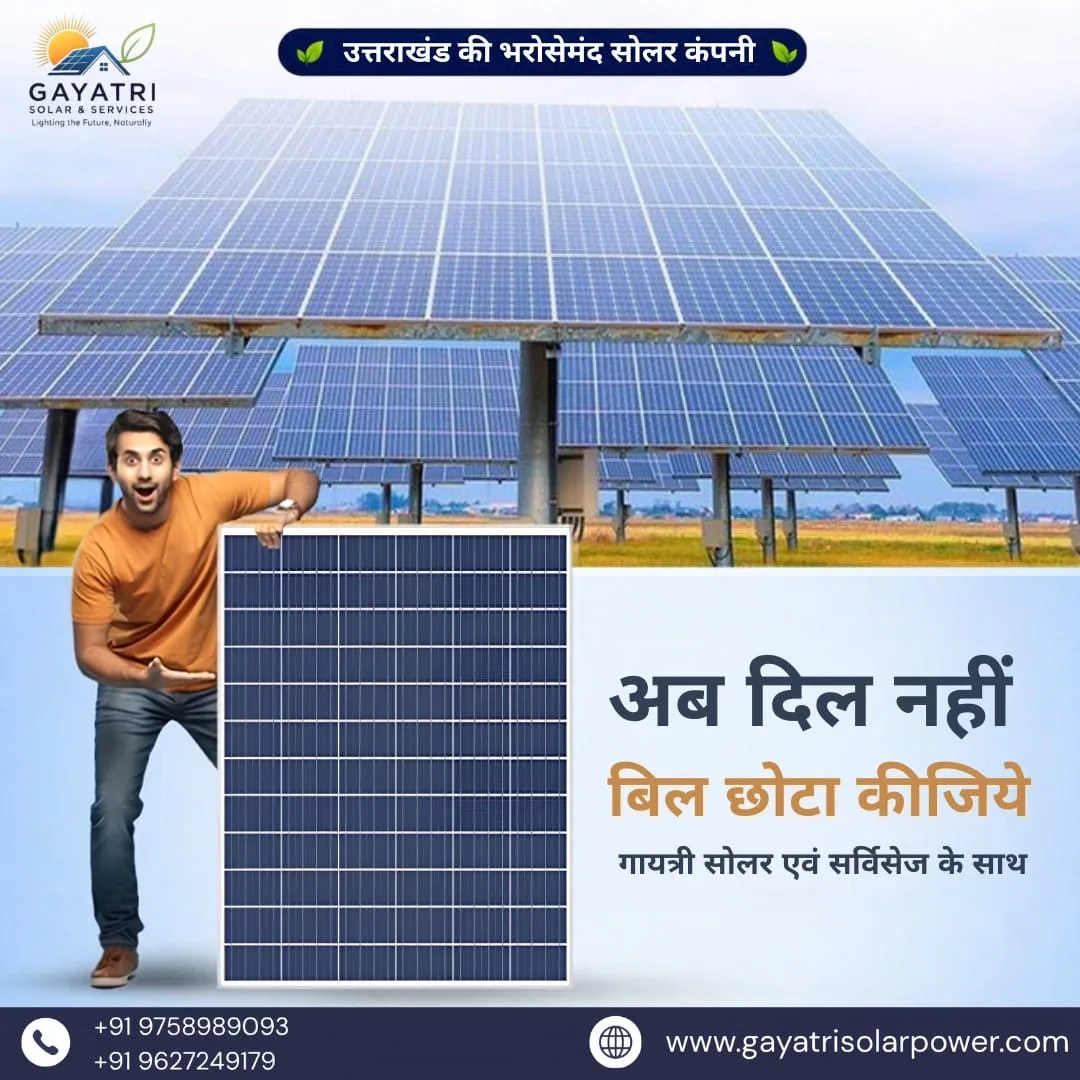
Solar energy is becoming a practical choice for homes, businesses, industries, and agricultural properties looking to use renewable energy. With growing interest in energy efficiency and sustainable development, solar technology offers several solutions, including rooftop electricity generation, outdoor lighting, water heating, and irrigation pumping.
Choosing the right solar energy services provider is an important step in finding a system that matches your energy requirements, property conditions, and budget. A well-planned solar installation can help reduce dependence on conventional electricity while supporting long-term energy management.
Why Choose Solar Energy for Your Property?
Solar energy uses sunlight to generate electricity or heat water. Its applications vary according to the type of system installed and the needs of the user.
For homeowners, rooftop solar panels can help generate electricity for everyday use. Commercial establishments may explore solar installations to support their energy consumption, while farmers can consider solar-powered pumping for irrigation.
The suitability and financial benefits of a solar system depend on factors such as sunlight availability, energy consumption, installation costs, equipment quality, and maintenance requirements. Evaluating these factors before purchasing helps you make an informed decision.
What Does a Solar Energy Services Provider Do?
A solar energy services provider helps customers understand available solar technologies and identify suitable solutions for their requirements. Depending on the service offered, this may include system selection, installation planning, equipment guidance, maintenance, and technical support.
Before selecting a provider, consider the following:
Product quality: Compare specifications and equipment suitability.
Installation planning: Check roof space, sunlight exposure, and site requirements.
System capacity: Choose a configuration that matches your energy needs.
Warranty: Understand coverage for the panels, inverter, batteries, and other components.
After-sales support: Ask about maintenance, troubleshooting, and replacement services.
A clear understanding of these points can help you compare solar solutions more effectively.
Rooftop Solar Solutions for Homes and Businesses
Rooftop solar systems use panels installed on suitable roofs to convert sunlight into electricity. They can be considered for houses, offices, shops, factories, and other properties with appropriate installation space.
Before installing a rooftop system, review your electricity bills, available roof area, shading conditions, and daytime energy consumption. These details help determine the system capacity and expected electricity generation.
If you are exploring a Solar Rooftop Power Plant, compare the available solutions according to your property's energy requirements and installation conditions.
Solar Street Lighting for Outdoor Areas
Outdoor lighting is another useful application of solar technology. Solar street lights typically combine a solar panel, LED fixture, battery, and controller to provide illumination after sunset.
These systems may be suitable for residential streets, parking areas, pathways, campuses, and selected commercial locations. Their performance depends on lighting requirements, battery capacity, panel size, installation height, and available sunlight.
When planning an outdoor lighting project, evaluate the area that needs illumination and the number of operating hours required each night.
Solar Water Heating for Everyday Requirements
Solar water heaters use sunlight to heat water for domestic and commercial applications. Homes, hotels, guesthouses, and other establishments with regular hot water demand may benefit from evaluating this technology.
The right system depends on daily water consumption, storage capacity, collector type, roof space, and seasonal conditions. A suitable backup heating arrangement may also be necessary when sunlight is limited.
Comparing these factors before installation helps you select a system that fits your hot water requirements.
Solar-Powered Irrigation for Agriculture
Agricultural properties may use solar-powered pumps to move water for irrigation. These systems can be useful where the water source, sunlight conditions, and pumping requirements support solar operation.
Before selecting a pump, assess the water source depth, required flow rate, daily operating hours, and irrigation area. The solar panel capacity and pump specifications should be matched to the actual water demand.
A correctly planned system can support agricultural water management while reducing dependence on conventional power sources.
Commercial Solar System Upgrades and Replacement
Businesses with existing solar installations may eventually need equipment repairs, component upgrades, or complete system replacement. Reduced electricity generation, repeated equipment faults, changing energy requirements, and increasing maintenance costs can indicate that an assessment is needed.
A technical inspection can help determine whether replacing individual components or redesigning the installation is more appropriate. Businesses should compare the cost of repairs with the expected performance and expenses of an upgraded system.
Why Consider Gayatri Solar and Services?
Gayatri Solar and Services focuses on solar energy solutions for customers exploring renewable energy applications. Whether you are considering rooftop electricity generation, solar lighting, water heating, or agricultural pumping, it is important to select equipment based on your requirements rather than price alone.
Before proceeding with a solar project, ask for clear product specifications, installation details, warranty conditions, and information about ongoing maintenance. These checks can help you plan a more suitable solar installation.
Conclusion
Selecting a reliable solar rooftop power plant uttarakhand provider begins with understanding your energy requirements and comparing the available technologies. Rooftop solar systems, solar street lights, water heaters, and irrigation pumps serve different purposes, so each installation should be planned according to its intended application.
With careful evaluation of system capacity, product quality, installation conditions, and maintenance support, households and businesses can make informed decisions about adopting solar energy.
Frequently Asked Questions
1. What services can a solar energy provider offer?
Depending on the company, services may include solar system selection, installation, equipment guidance, maintenance, and replacement support.
2. Is solar energy suitable for residential and commercial properties?
Yes. Solar solutions can be considered for homes, offices, factories, hotels, and other properties when the site and energy requirements are suitable.
3. How do I choose the right solar system?
Evaluate your energy consumption, available installation space, sunlight exposure, budget, equipment specifications, and warranty.
4. Does a solar system require regular maintenance?
Yes. Appropriate inspections and maintenance can help identify issues and support reliable system performance over time.
Comments